
WordPress vs Next.js: Why We Don’t Build on WordPress Anymore
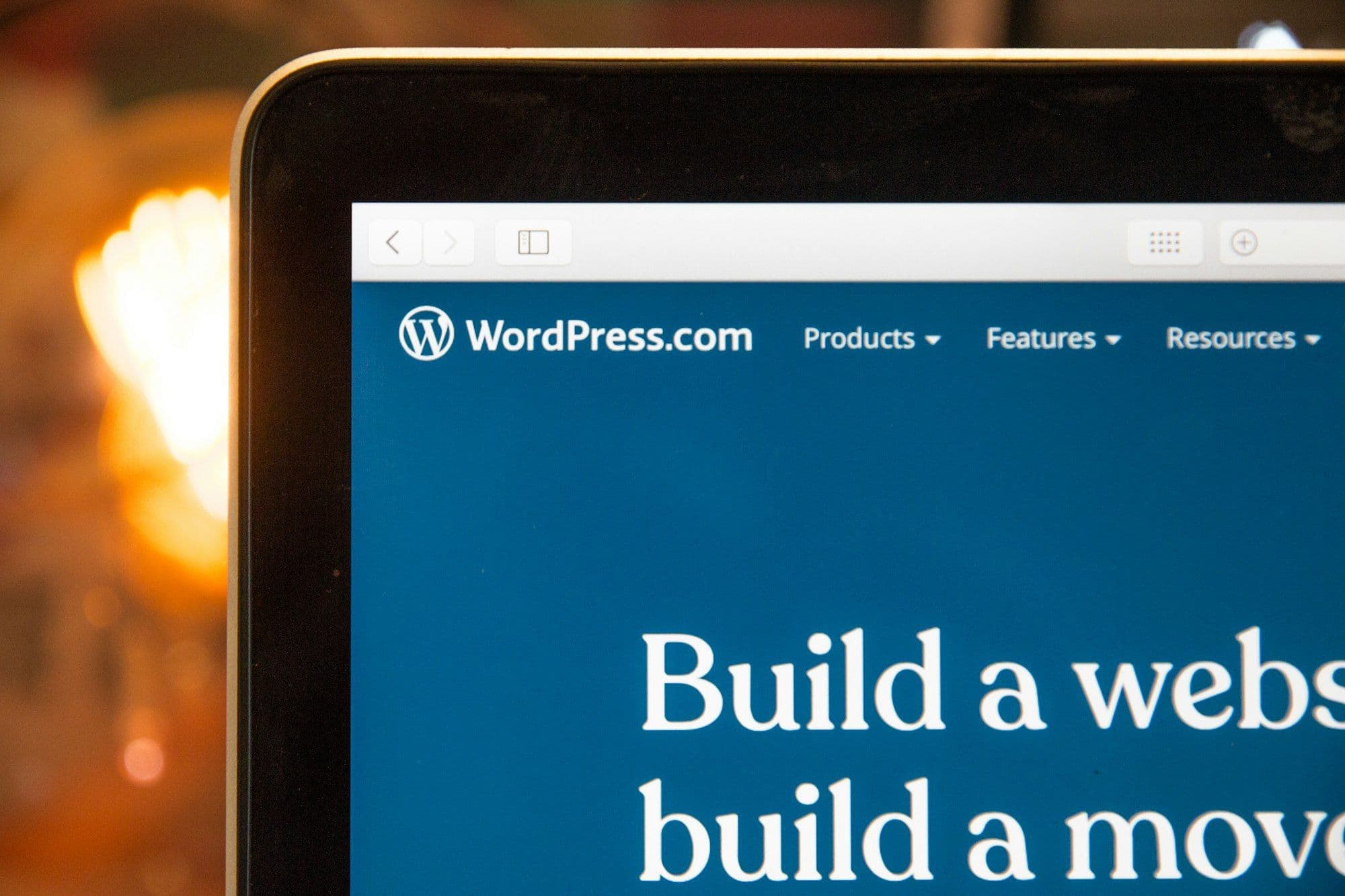
WordPress was built for personal blogs in 2003. Two decades later it powers 43% of the web, which makes it the single most targeted CMS for cyberattacks.
The plugin problem
Most WordPress functionality comes from third-party plugins, and there are over 40,000 of them. Every one you install is unvetted code running on your server, and every update is a small gamble on whether something breaks.
The performance problem
PHP page rendering adds 300ms to 2 seconds of avoidable latency on every request. Next.js pre-renders pages at build time and serves them from a global CDN in milliseconds instead.
What we build instead
- Next.js for the frontend, pre-rendered and CDN-served
- Sanity as a headless CMS, so your team edits content without touching code
- Semantic HTML, structured data, and sitemaps built in from day one
- Core Web Vitals scores of 95-100, not aspirational, standard
No plugin risk, no platform lock-in
Because there’s no plugin ecosystem to depend on, there’s no plugin risk. And because you own the repository and the CMS project outright, there’s no platform to be locked into either.
See what’s included in a build on our web design page.